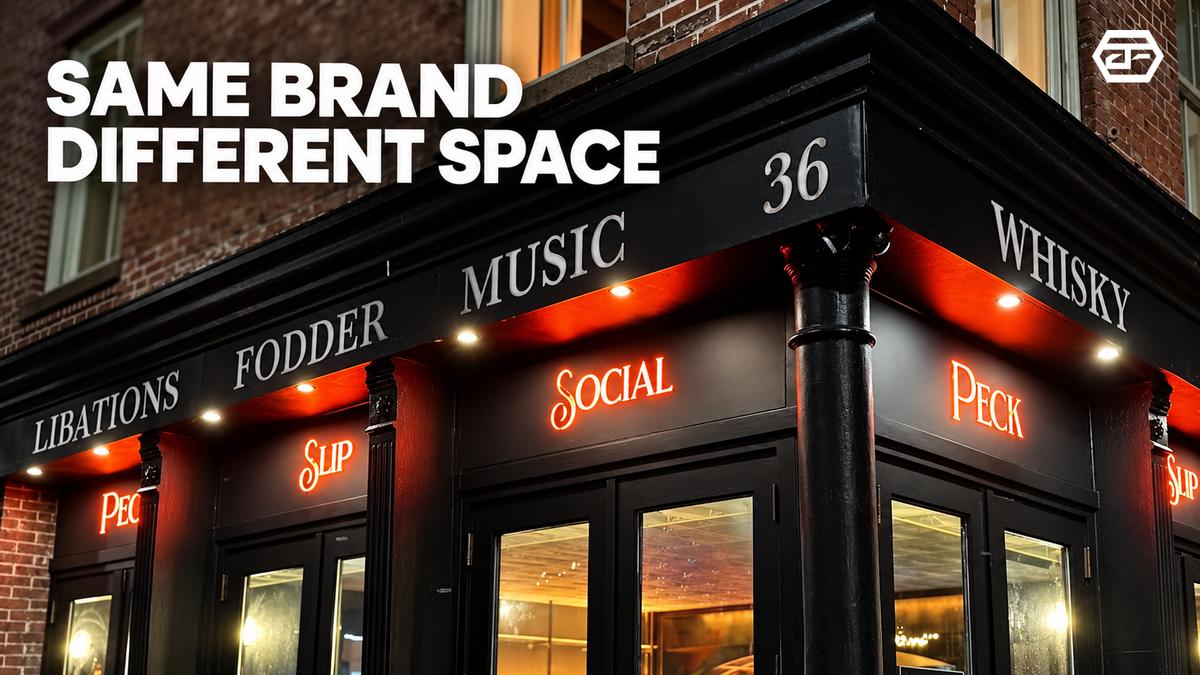


Medical Office Signs in Anaheim: What Should First-Time Patients See Before They Reach Reception?
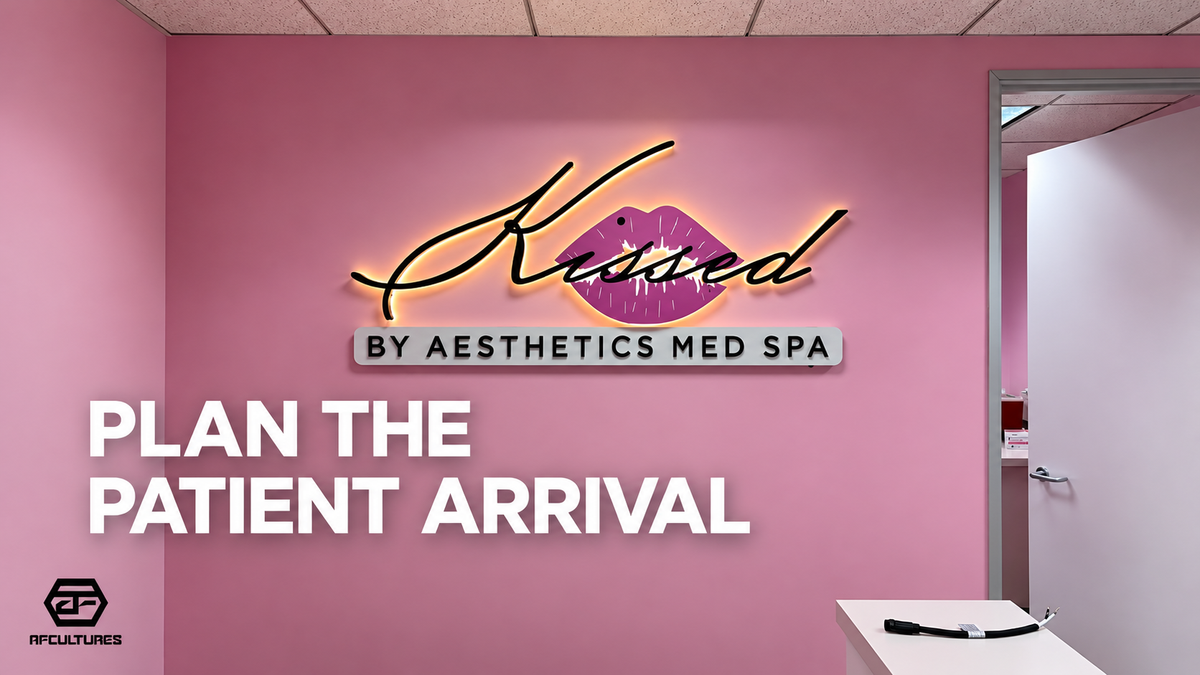
WHO SHOULD READ THIS
Anaheim clinics, medical offices, dental practices, wellness centers, and healthcare teams planning signage for a location where first-time patients need to find, enter, and understand the space with as little uncertainty as possible.
Quick Answer
Before a first-time patient reaches reception, signage should help them do four things: find the correct location, confirm they have arrived, identify the right entrance, and understand where to check in.
A simple planning sequence is: FIND → CONFIRM → ENTER → CHECK IN
The main sign should establish the medical office clearly.
Supporting signs should only appear where the patient needs another piece of information.
The goal is not more signage. It is a smoother arrival.
Plan Around Four Patient Moments
| Patient Moment | What the Signage Should Help With |
|---|---|
| Find | Make the practice recognizable from the normal approach |
| Confirm | Reassure patients they have reached the correct office |
| Enter | Make the right entrance easy to identify |
| Check In | Help patients understand where to go once inside |
This is different from designing the reception wall alone.
The patient experience begins before the patient reaches reception.
1. FIND: Can a First-Time Patient Identify the Practice?
A returning patient already knows what to look for. A first-time patient does not.
They may be approaching from:
- A parking area
- A shared medical or commercial building
- A sidewalk
- A multi-tenant property
- An unfamiliar direction
The primary identity sign should help answer: “Is this the practice I am looking for?”
That usually means giving the business name or recognizable logo the strongest priority.
Do not force the main sign to carry every detail about services, doctors, hours, phone numbers, or instructions.
Those messages may matter later. If you are unsure which information belongs on the primary identity sign, start by reviewing what information should actually go on a business sign.
First, the patient needs to find the business.
Not sure whether your medical office is easy to recognize from the way patients actually arrive?
Send AFCULTURES a wide exterior photo, your logo, and the main patient approach. We can help review what first-time visitors are likely to see before you decide what the primary sign needs to do.

The first signage question is whether a new patient can recognize the practice from the way they actually approach the location.
2. CONFIRM: Give Patients Reassurance Before They Enter
Finding the building is not always the same as finding the correct office.
This matters especially in:
- Shared buildings
- Medical plazas
- Multi-suite properties
- Locations with similar entrances
- Offices located deeper inside a property
At this point, the signage job shifts.
The question is no longer: “Which business is this?”
It becomes: “Am I definitely in the right place?”
That confirmation may come from the primary sign, suite identification, building directory, or another supporting touchpoint depending on the property.
The important part is that the patient should not need to guess.
3. ENTER: Make the Right Door Easy to Understand
Once patients recognize the practice, the entrance should become obvious.
Look at the space from the patient’s actual approach.
Could they hesitate because there are:
- Several doors
- Multiple tenants
- Large window graphics
- A recessed entrance
- More than one lobby
- Another business close to the same door
Information such as office hours, suite numbers, or short entry instructions often works better at the entrance than on the main identity sign.
This keeps the information hierarchy clear:
- Primary sign → Which practice?
- Entrance information → Is this the right door?
If the main sign is becoming overloaded with hours, services, and instructions, move those messages closer to the point where patients actually need them.
4. CHECK IN: Do Not Make Reception the Next Guess
The patient has now reached the right office.
There is still one more question: “What do I do next?”
In a simple medical office, the reception desk may already be obvious.
In a more complex space, a small supporting sign may help identify:
- Reception
- Check-in
- Waiting area
- Another department
- The next destination
Healthcare wayfinding research also shows why clarity matters in these environments. SEGD's Universal Symbols for Healthcare project found that tested symbols can help make healthcare navigation easier to understand than text-only systems, particularly across language and reading differences.
That does not mean every clinic needs a complex wayfinding program.
It means the information should become clear at the moment the patient needs it.
Once the patient reaches reception, the planning question changes from finding the office to shaping the interior brand experience. Our guide to planning a lobby sign in Anaheim covers what to review from the entrance view, primary wall, and supporting interior signs.
Planning more than one patient-facing sign?
Send us an exterior view, entrance photo, and one wide interior photo. AFCULTURES can help map which moments need identity, confirmation, or direction before you start adding signs one wall at a time.

Once patients enter, the signage job shifts from finding the practice to confirming the brand and understanding what to do next
What Should Stay Off the Primary Medical Office Sign?
The main identity sign does not need to become a directory.
In most cases, avoid giving equal visual priority to:
- Long service lists
- Multiple phone numbers
- Social handles
- Detailed patient instructions
- Operating information that changes frequently
- Messages that only matter after the patient arrives
A useful test is: Does the patient need this information to find the practice—or only after they have found it?
If the answer is “after”, the message probably belongs somewhere else.
A 5-Question Patient Arrival Check
Walk through the location as if you are visiting for the first time.
Ask:
- Can I identify the practice from the normal approach?
- Can I confirm I have reached the right office or suite?
- Is the correct entrance obvious?
- Once inside, do I know where to check in?
- Is each message appearing where I actually need it?
If one step requires guessing, that is where the signage plan should begin.
Frequently Asked Questions
What is the most important sign for a medical office?
Usually the primary identity sign, because first-time patients need to recognize the practice and confirm that they have reached the correct location.
Does every clinic need directional signage?
No. A simple location with one clear entrance and visible reception may need very little. Supporting directional signs become useful when the patient journey has additional decision points.
What should I send before planning medical office signage?
Start with your logo, project address, an exterior photo showing the patient approach, an entrance photo, and a wide interior or reception view.
Make the First Visit Easier to Understand
Medical office signage should not begin at the reception wall.
It should begin with the patient’s first question: “Am I in the right place?”
Help them find the practice. Confirm the location. Make the entrance clear. Then support the next step only where it is needed.
Planning signage for a clinic or medical office in Anaheim?
Send AFCULTURES your logo, project location, exterior approach, entrance photo, and reception view. We can help review the full arrival journey and identify where signage can make the experience clearer before individual signs are developed.