

Replacing a Business Sign in Anaheim? What Should You Check Before Reusing the Old Sign Location?
WHO SHOULD READ THIS
Anaheim business owners taking over an existing location, refreshing an older storefront, or rebranding a business that already has signage in place.
Quick Answer
Do not assume the old sign location is automatically the right location for the new sign.
Before replacing it, review:
- Why the sign is changing
- Whether the current brand still fits the old layout
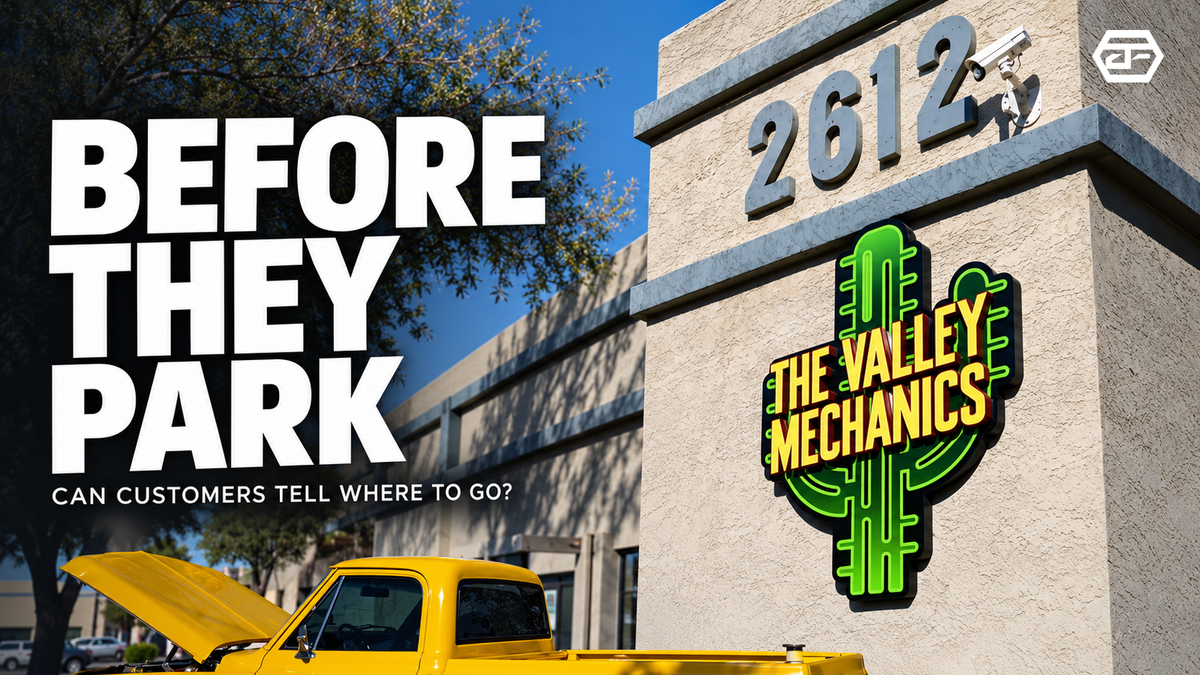
- How customers actually approach the storefront
- What the existing sign location helps—or fails—to do
- Whether other entrance or supporting signs also need to change
A useful sequence is: REMOVE → REVIEW → REFRAME → REPLACE
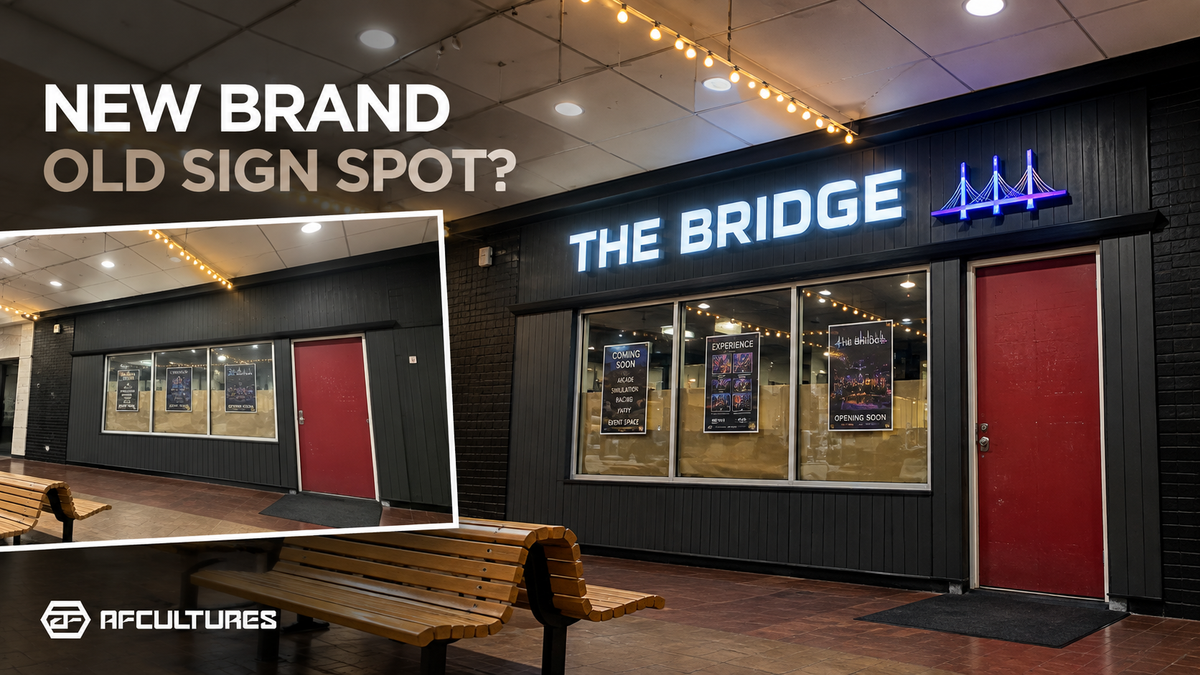
Treat the replacement as a chance to improve the storefront, not just fill the space left by the old sign.
Why Are You Replacing the Sign?
Start with the reason.
A business may replace signage because:
- The company has rebranded
- A new tenant is taking over the location
- The existing sign no longer reflects the business
- The sign is difficult to notice
- The storefront has changed
- The business wants a cleaner, more consistent identity
Those are different problems.
If the old sign was hard to see from the parking lot, placing a new logo in exactly the same position may preserve the same visibility problem.
If the brand has changed, the old sign proportions may no longer suit the new identity.
The replacement should solve the current business problem, not simply match what was there before.
1. Review the Storefront Without the Old Sign
Imagine the old sign is gone.
Now look at the whole facade.
Ask:
- Where does the eye naturally go?
- Where do customers approach from?
- Is the entrance obvious?
- Are neighboring businesses competing for attention?
- Do doors, windows, landscaping, columns, or other building elements affect the view?
- Is the existing sign area still the strongest place for identification?
The International Sign Association notes that sign effectiveness depends on more than appearance alone. Visibility, placement, traffic patterns, size, and the specific building location all affect how easily people can detect and understand a sign.
If the old placement has never been reviewed against the actual customer approach, use the replacement as an opportunity to look at the site again before approving the next sign.

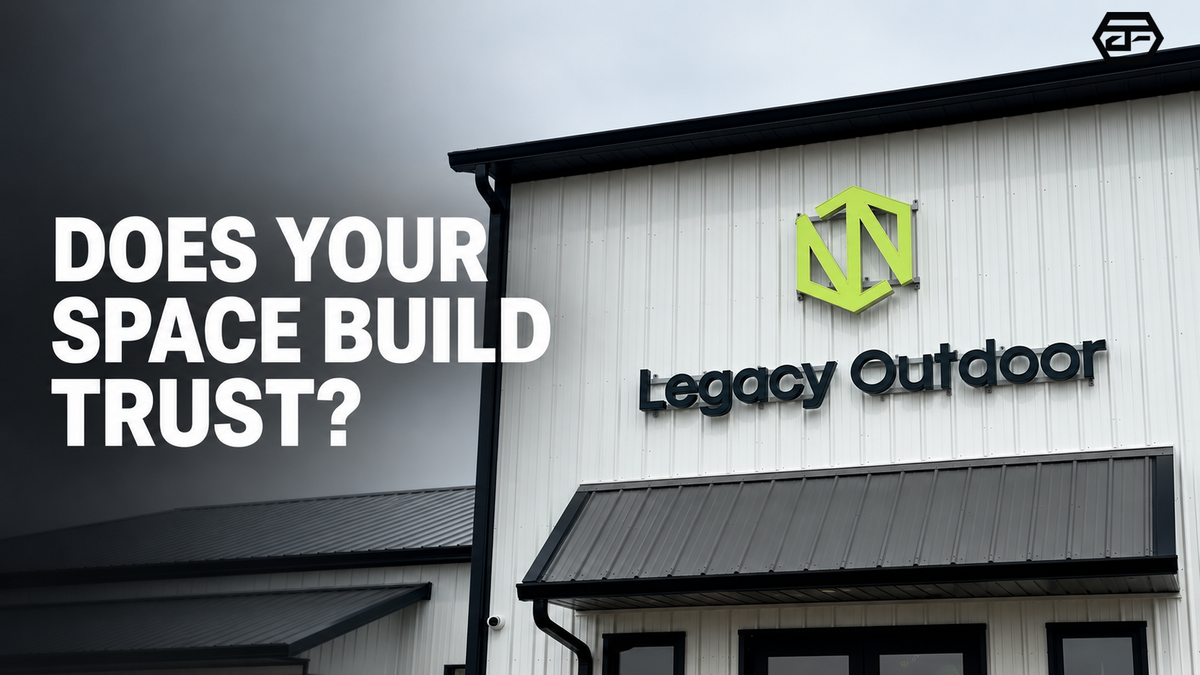
Before replacing a sign, review the entire storefront and the way customers actually approach it.
2. Do Not Force a New Brand Into an Old Layout
A new logo may have:
- A different proportion
- Fewer or more words
- A new icon
- Different colors
- A new tagline
- A different visual hierarchy
That means the old sign footprint may no longer make sense.
Forcing a wide new wordmark into a tall old sign area—or keeping extra text because the previous sign had it—can make the replacement feel compromised before it is even built.
The International Sign Association also recommends keeping recognizable brand elements such as the business name, logo, and company colors consistent across applications because those repeated cues support recognition.
The goal is not to preserve the old sign layout.
It is to translate the current brand into the real storefront clearly.

A replacement works best when the new identity is planned for the current space rather than forced into the previous sign layout.
3. Decide What the New Primary Sign Actually Needs to Say
A replacement is a good time to remove information that has accumulated over the years.
The main sign may not need:
- Phone numbers
- A website
- Social handles
- Full service lists
- Long promotional messages
- Business hours
For most storefronts, the primary sign should first help customers identify the business.
Supporting information can move closer to the entrance, window, or point where customers actually need it.
If the new sign is becoming crowded during the rebrand, separate what belongs on the primary identity sign from what can live on supporting touchpoints.
4. Check Whether the Rest of the Storefront Still Matches
Replacing the main sign can make other outdated elements more obvious.
Look at the storefront as a group: MAIN SIGN → ENTRANCE → WINDOWS → HOURS → SUPPORTING BRAND ELEMENTS
Ask:
- Does the entrance still use the old logo?
- Are the window graphics from the previous brand?
- Is the color language inconsistent?
- Does an old directional or informational sign still make sense?
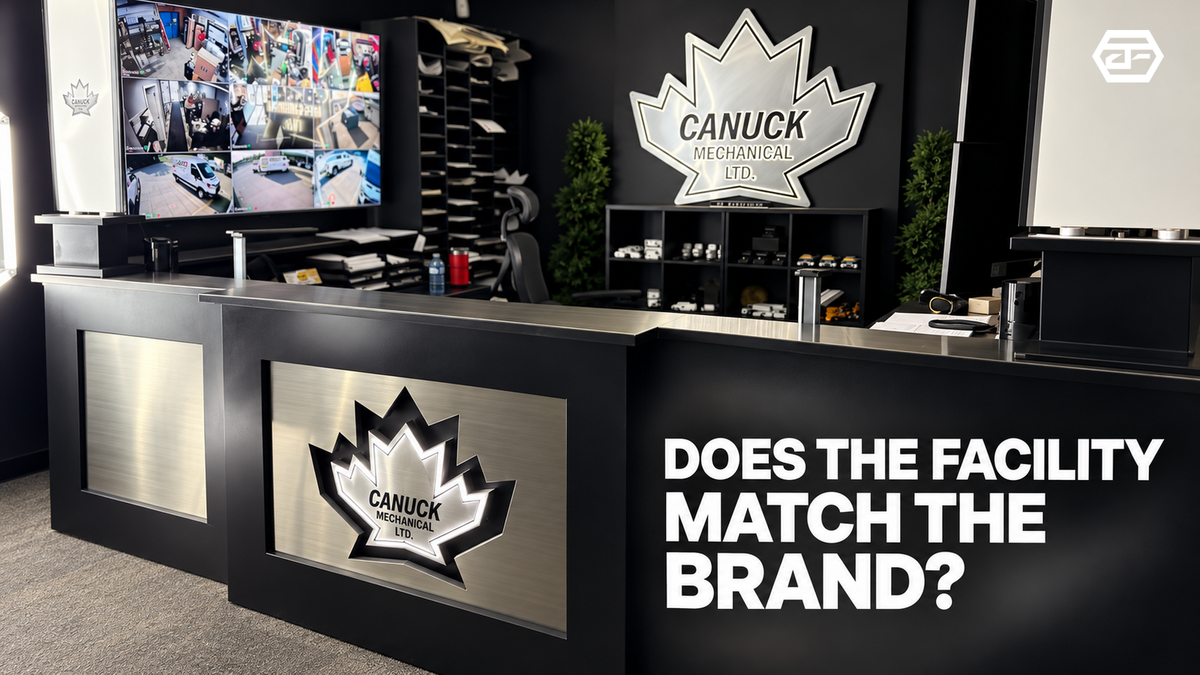
- Will the new main sign look disconnected from everything around it?
You may not need to replace everything.
But the customer should not have to reconcile two different versions of the business at the same location.
5. Confirm the Replacement Path Before Production
For an exterior project in Anaheim, do not assume that an existing sign location removes the need to confirm current requirements.
The City of Anaheim maintains official sign-permit resources and application documents for business signage.
The exact path depends on the individual project, so clarify early:
- What property or landlord approval applies?
- Does the proposed change require city review?
- What existing conditions need to be documented?
- Who is responsible for each next step?
You do not need to solve those questions yourself.
You do need to know they have been checked before production begins.
A 5-Question Replacement Check
Before approving the new sign, ask:
- Are we solving the reason the old sign needed to change?
- Does the new brand work naturally in this location?
- Is this still the best place for customers to identify the business?
- Does the primary sign carry only the information it needs?
- Will the rest of the storefront still feel connected after the replacement?
If the answer to one of those is unclear, solve it before using the old sign as the template for the new one.
Frequently Asked Questions
Can I just replace an old sign with the same size and position?
Sometimes, but do not assume that is automatically the best choice. Review the new logo, customer approach, storefront proportions, and current business needs first.
Should I update other signage when I rebrand?
Only where necessary. Check entrance information, windows, supporting signs, and other visible brand elements so customers do not see conflicting versions of the business.
Do I need to check local requirements if a sign already existed there?
Yes. Existing signage does not by itself confirm what applies to a new or altered project. For Anaheim projects, review the current property and city requirements before production.
Do Not Replace the Sign Without Reconsidering the Space
A replacement should do more than cover the marks left by the previous sign.
Review the storefront. Recheck the customer approach. Clarify the new brand. Then decide what belongs back on the wall.
Replacing or rebranding a business sign in Anaheim?
Send AFCULTURES a wide storefront photo, a close photo of the existing sign area, your current logo, and your new brand files if they have changed. We can help you review what should stay, what should change, and how the new identity should fit the space before the replacement moves forward.
Replace the old sign. Improve the whole first impression.