


Retail Signs in Anaheim: What Should Shoppers See Before and After They Enter?
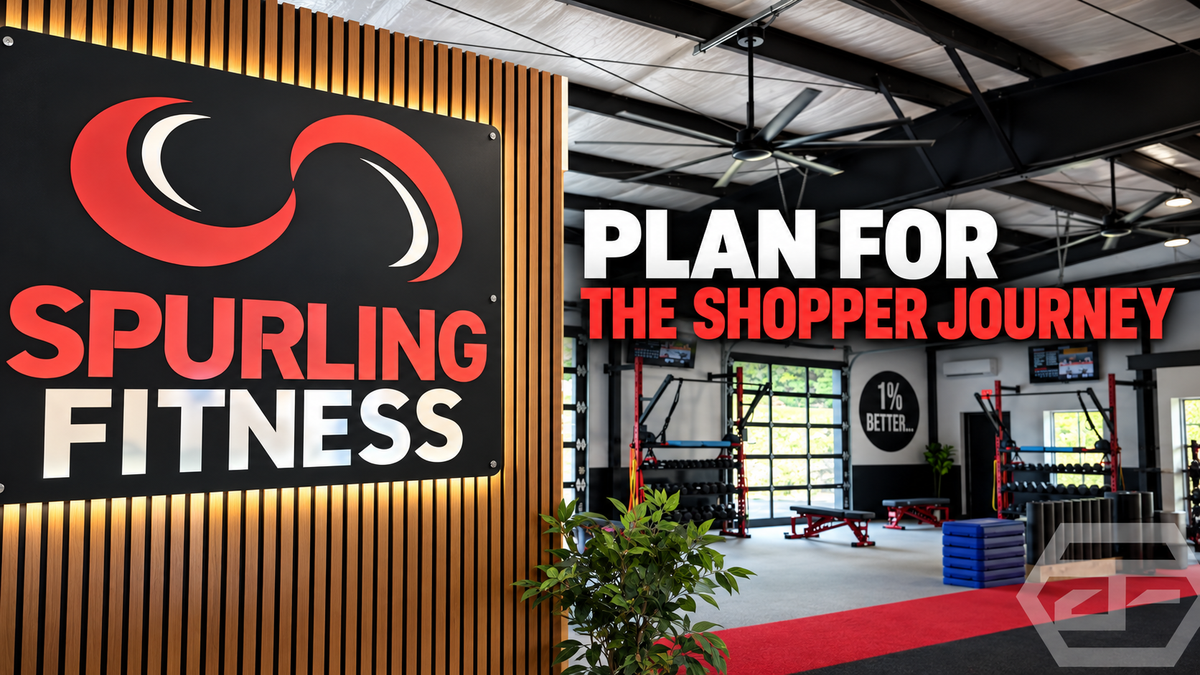
WHO SHOULD READ THIS
Anaheim retailers, boutiques, specialty stores, showrooms, and customer-facing businesses planning signage for a new location, renovation, or brand refresh.
Quick Answer
Retail signage should help shoppers do four things in order: notice the store, recognize the business, understand where to go, and find the information they need to make a choice.
A simple planning sequence is: NOTICE → ENTER → EXPLORE → CHOOSE
The storefront should make the business easy to identify.
The entrance should confirm that shoppers are in the right place.
Inside, signs should help people understand the space without making every wall compete for attention.
Plan the Signage Around Four Shopper Moments
| Shopper Moment | What the Signage Should Help With |
|---|---|
| Notice | Make the store recognizable from the normal approach |
| Enter | Make the entrance and primary identity clear |
| Explore | Help shoppers understand important areas or categories |
| Choose | Put useful information where a decision is being made |
This keeps the signage plan focused on the shopper instead of starting with a list of products to buy.
Sign Research Foundation research on retail wayfinding similarly looks at signage together with store layout and the overall shopping experience.
1. NOTICE: Can Shoppers Recognize the Store Before They Reach the Door?
The first job of retail signage happens outside.
A shopper may see the business from:
- A parking lot
- A sidewalk
- A shared commercial plaza
- Across the street
- An angle rather than directly in front
That means the main exterior sign needs to answer one question quickly: “Which business is this?”
The business name or recognizable logo should usually carry the strongest visual priority.
Do not make the primary sign compete equally with hours, phone numbers, social handles, service lists, or promotional messages.
Those details may still matter.
They simply belong closer to the point where shoppers need them.
Not sure what shoppers should notice first from your storefront?
Send AFCULTURES a wide storefront photo and your logo. We can help you review the customer approach and identify what should carry the strongest visual priority.
 The primary storefront sign should establish the business first; supporting information can move closer to the entrance.
2. ENTER: Make the Front Door Feel Obvious
Recognizing the business and finding the entrance are not always the same thing.
A shopper can see a sign clearly and still hesitate if the storefront has:
- Several doors
- Large window areas
- Multiple neighboring businesses
- A recessed entrance
- Promotional graphics competing with the door
Review the storefront from the way customers actually approach it.
Can they tell where to enter without stopping to figure it out?
Supporting information such as:
- Business hours
- Check-in instructions
- Pickup information
- Small service details
often works better near the door or window than on the main identity sign.
The storefront sign establishes who you are.
The entrance helps shoppers understand what to do next.
3. EXPLORE: Use Interior Signs Where Shoppers Need Help
Once shoppers enter, resist the urge to brand every available wall.
Instead, look for points where someone may need to:
- Find a category
- Locate a counter
- Understand where to wait
- Move between different areas
- Confirm where a service is provided
Those are useful signage opportunities.
A small retail store with an obvious layout may need very little navigation.
A larger store, showroom, or multi-zone space may benefit from a connected set of supporting signs.
If shoppers move through several important areas, review whether you need one primary sign or a small signage system before adding pieces one by one.
The objective is not more signage.
It is less uncertainty.
Planning signage across more than one area of your store?
Send us a storefront photo and a few wide interior views. AFCULTURES can help map where shoppers need identification, direction, or supporting information before you start adding signs one by one.
4. CHOOSE: Put Information Where the Decision Happens
Not every retail message needs to fight for attention at the entrance.
Think about when a shopper actually needs the information.
For example:
- Store hours → at the entrance
- Category name → near the category
- Pickup direction → where the shopper needs to turn
- Brand story → where people have time to engage
- Promotional message → close to the relevant offer
This creates a simple information hierarchy.
The earlier the shopper is in the journey, the simpler the message should usually be.
Outside, recognition matters most.
Inside, the information can become more specific as the shopper moves closer to a decision.

Inside the store, signage should support the shopping experience without making every wall compete for attention.
Keep the Brand Connected Without Repeating the Same Sign
A retail space can have several signs without every sign looking identical.
The main storefront identity may need the strongest presence.
Interior directional or informational signs can be quieter.
A brand wall may create one memorable visual moment without needing to carry functional information.
What should stay consistent is the brand language:
- Typography
- Core colors
- Tone
- Logo treatment
- Overall visual hierarchy
Different signs can do different jobs while still clearly belonging to the same business.
A 5-Question Retail Signage Check
Walk through the store as if you were visiting for the first time.
Ask:
- Can I identify the business before reaching the entrance?
- Is it obvious where I should enter?
- Once inside, do I understand the main areas without asking for help?
- Is useful information placed where I actually need it?
- Does the brand feel connected without being repeated on every wall?
If one of those moments feels unclear, that is where the signage plan should begin.
Frequently Asked Questions
What is the most important sign for a retail store?
Usually the primary business identity sign, because shoppers first need to recognize the store and confirm they have reached the right location.
Does a small retail store need multiple signs?
Not necessarily. If the entrance and store layout are already clear, one primary sign plus a few supporting messages may be enough.
Should promotional information go on the main storefront sign?
Usually not. The main sign should prioritize business recognition. Promotions, hours, offers, and other changing information are generally more useful on supporting touchpoints.
Plan Around the Shopper, Not the Walls
A retail signage plan should make the customer journey easier.
Help shoppers notice the business. Make the entrance clear. Support them as they explore. Put information where decisions happen.
Planning signage for a retail space in Anaheim?
Send AFCULTURES your logo, a storefront photo, an interior overview, and the areas where customers enter, browse, or need information. We can help you see how the signs should work together before you decide how many pieces to build.


