

One Sign or a Signage System? How to Decide What Your Space Actually Needs
WHO SHOULD READ THIS
Business owners planning signage for a new location, renovation, or rebrand and wondering whether one main sign is enough.
Quick Answer
One main sign may be enough when customers can easily find your business, identify the entrance, and understand the space without extra help.
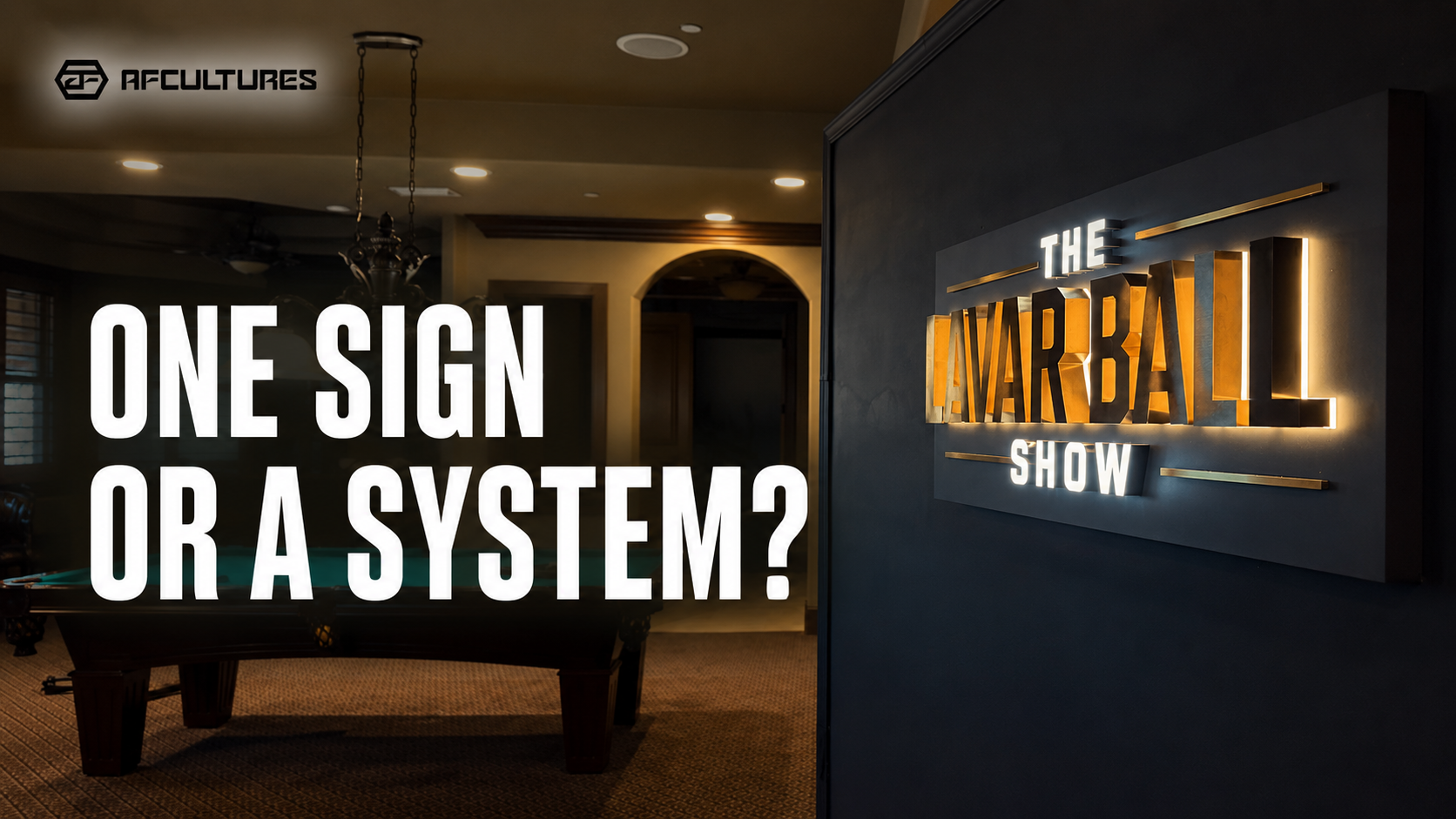
A signage system makes more sense when customers move through several important moments: finding the location, confirming the entrance, checking in, navigating different areas, or experiencing the brand inside.
Do not count empty walls.
Count the moments where a customer needs information, direction, or reassurance. This reflects a broader wayfinding principle: signage works best as part of an information system, not as isolated objects. See the Sign Research Foundation’s research on wayfinding and sign systems.
One Sign or a System? Start Here
| Your Space | What to Consider |
|---|---|
| One clear storefront and one entrance | One strong main sign may be enough |
| Customers often miss the entrance | Add clearer arrival or entrance identification |
| Reception is separate from the entrance | Consider a second brand or identification point |
| Customers move through several rooms or zones | A signage system may help |
| Exterior and interior both matter to the customer experience | Plan them together |
| You are adding signs mainly because walls feel empty | You may not need more signage |
The goal is not to install more signs.
The goal is to remove confusion and place the brand where it matters.
When Is One Main Sign Enough?
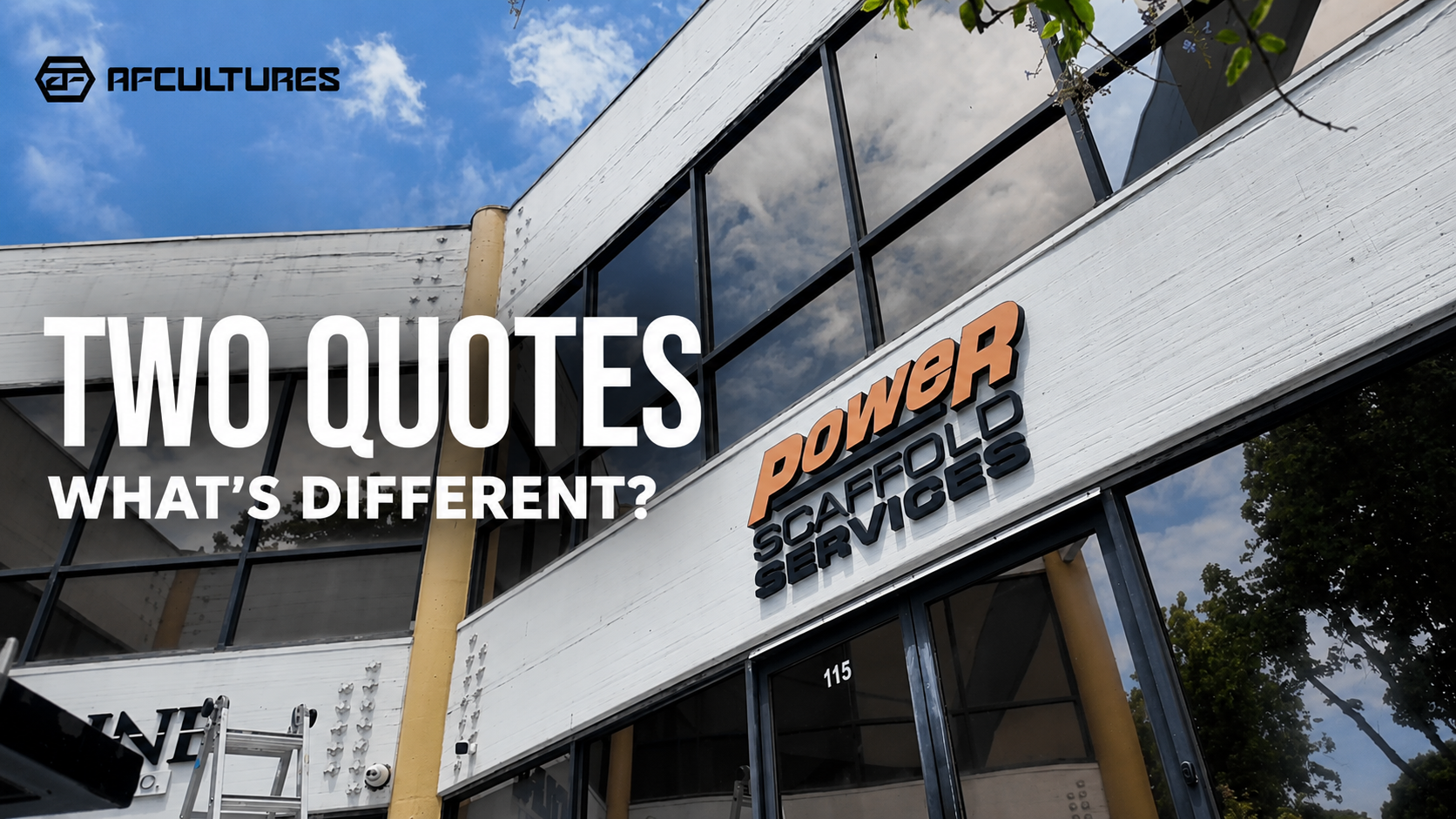
A simple business can often work well with one strong identity sign.
That is especially true when:
- The location is easy to see
- There is one obvious entrance
- Customers do not need much direction after entering
- The customer journey is short
- The space is small or visually simple
For example, a small studio with one entrance and an open interior may not need several branded walls.
A well-placed main sign can do the most important job: tell people who is here and where to enter. If visibility is the main concern, start by checking how big your business sign should be.
Adding more signage without a clear purpose can make the space feel busier without making it easier to use.

A simple location may only need one strong identity sign when the entrance and customer path are already clear
When Does a Signage System Make More Sense?
Think beyond one sign when the customer experience includes several distinct stages.
A common journey looks like this:
APPROACH → ARRIVE → ENTER → MOVE → EXPERIENCE
Ask one question at each stage:
Does the customer need to know, find, or confirm something here?
For example:
Approach
Can people identify the business before they reach the entrance?
Arrive
Is it obvious that they are in the right place?
Enter
Do they know which door or area to use?
Move
Will they need help finding a reception desk, service area, pickup point, or another zone?
Experience
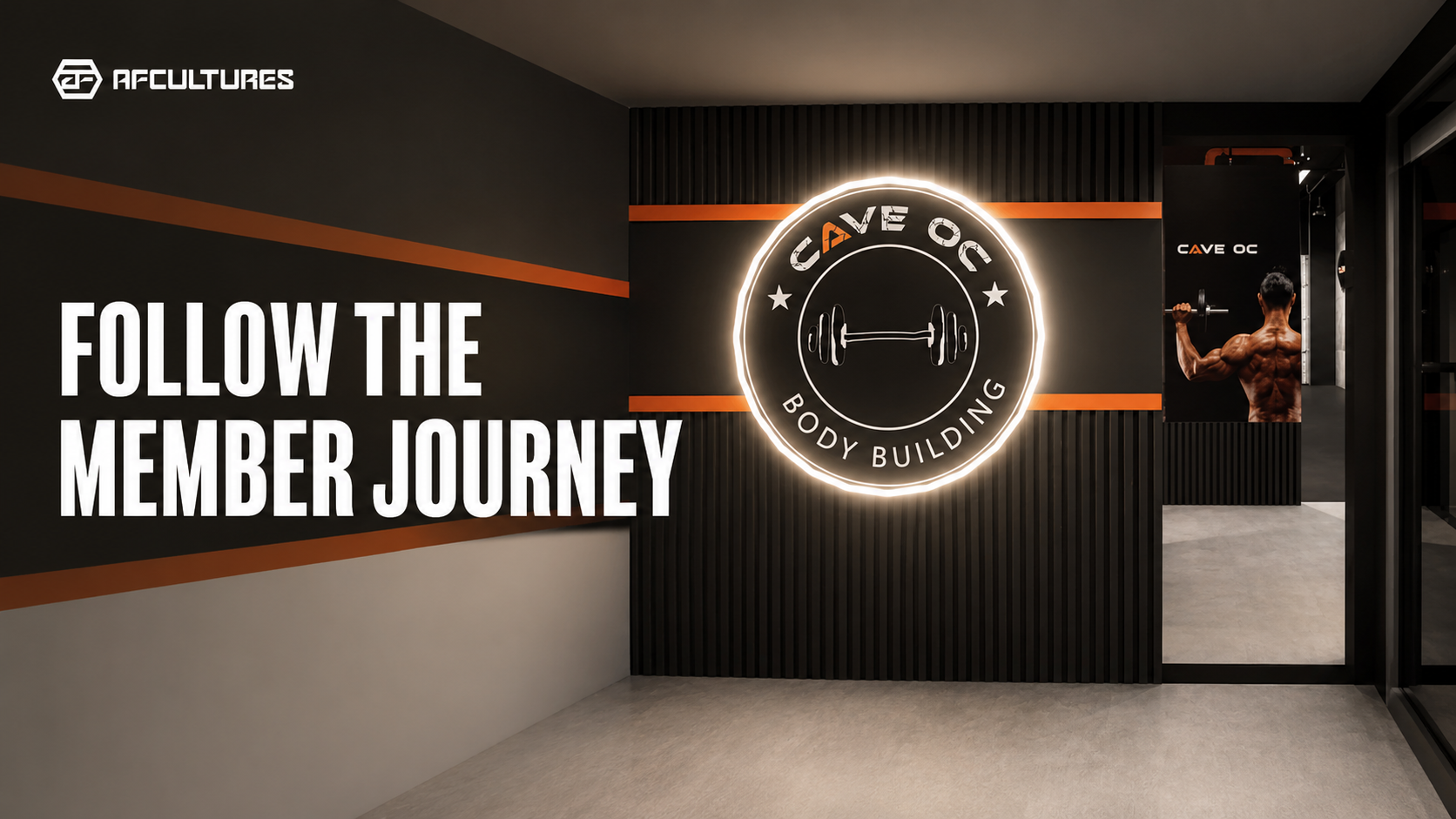
Is there one place inside where reinforcing the brand would improve the space?
If several of these moments need support, you are no longer planning a single sign.
You are planning a small signage system.

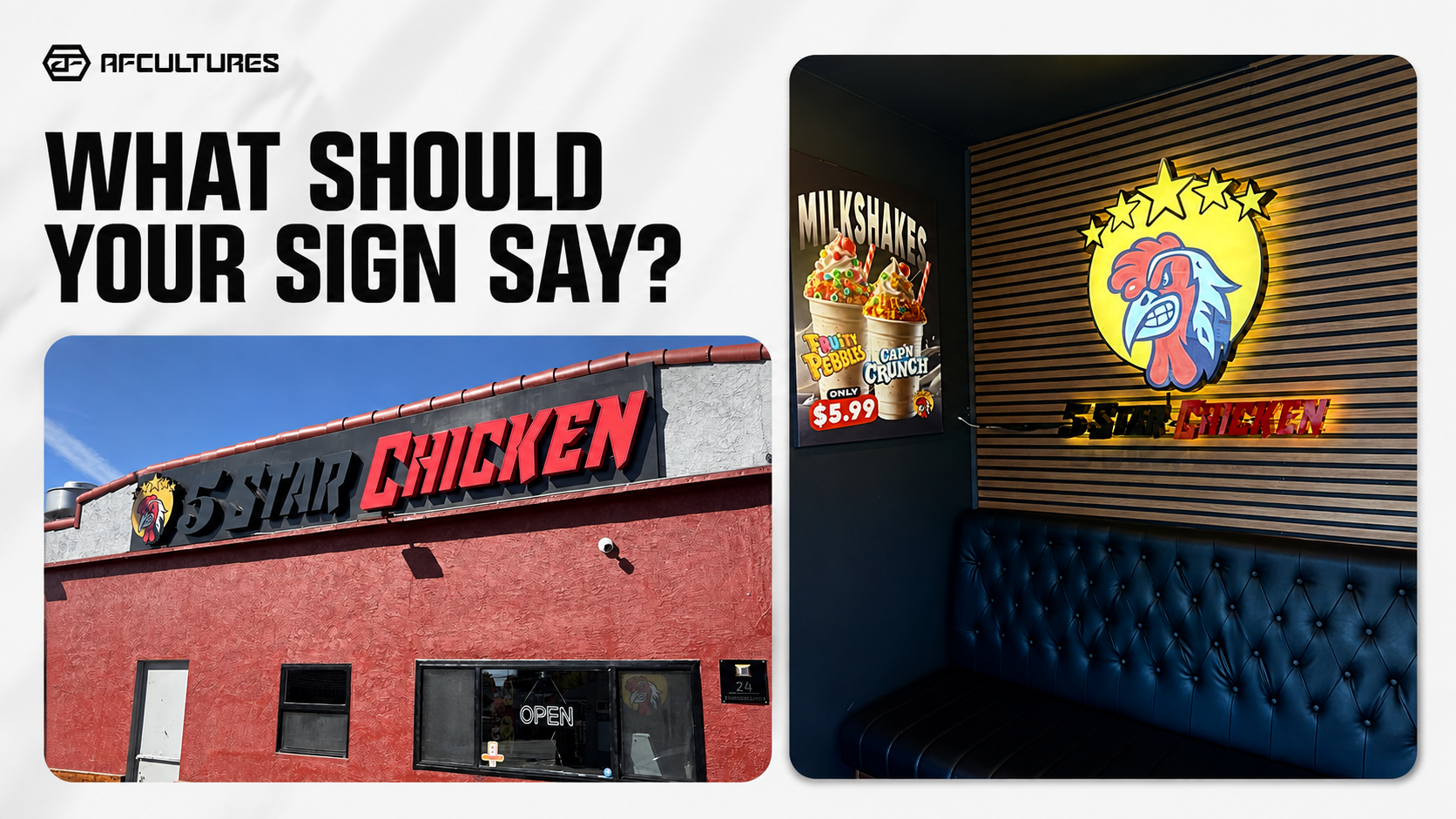
Multiple signage touchpoints make more sense when customers move through several distinct moments in the space
Not Every Sign Needs to Do the Same Job
One of the easiest ways to overspend is to treat every sign as another version of the main logo.
Different signs can have different roles.
| Role | What It Should Do |
|---|---|
| Main identity | Help people recognize the business |
| Entrance confirmation | Tell customers they reached the correct place |
| Direction | Reduce uncertainty about where to go |
| Interior brand moment | Reinforce the identity inside the space |
| Information | Communicate something customers need to know |
The most visually important sign should usually receive the most attention.
Supporting signs can stay simpler.
Consistency does not mean every sign needs equal visual weight.
Where Should You Spend First?
If the budget is limited, prioritize by customer impact. If you are also comparing budgets, see what affects the cost of a custom business sign.
A practical order is:
- Help customers find the business
- Make the correct entrance obvious
- Remove confusion inside the space
- Strengthen the most important interior brand moment
- Add secondary decorative signage only if it still serves a clear purpose
This is usually more useful than starting with a list of products.
A business with three carefully planned signs can have a clearer experience than another business with ten signs added independently.
Planning a new location?
Start with photos of the full space, not only the wall where you think the main sign should go. Seeing the customer journey makes it easier to decide what actually needs signage.
A Simple Test Before Adding Another Sign
Before approving any additional sign, ask:
What problem disappears when this sign is installed?
Good answers might be:
- Customers stop missing the entrance.
- Visitors know where reception is.
- The space finally feels connected to the brand.
- People no longer need to ask where to go.
If the answer is simply: “That wall looks empty, the sign may not be necessary."
Plan the Space Before the Individual Signs
When several areas need signage, plan them together before designing each piece separately.
Look at:
- Where customers first see the business
- The main entrance
- Key decision points
- Customer-facing interior areas
- Places where people commonly hesitate or ask questions
- The one or two locations where the brand should have the strongest presence
For multi-area projects, AFCULTURES' commercial signage planning approach starts with the full space rather than treating every wall as a separate order.
If you are still preparing the basic project information, use our guide on what to prepare before ordering a custom sign.
Frequently Asked Questions
Does every business need multiple signs?
No. A simple location with one clear entrance and a short customer journey may only need one main identity sign and a few functional elements.
How do I know if my space needs a signage system?
Map the customer journey from arrival to the main destination. If customers need information, confirmation, or direction at several separate moments, planning the signs as a system usually makes more sense.
Should every sign use the logo?
No. Some signs exist to identify the business, while others provide direction or information. Repeating the full logo everywhere can create visual clutter.
Should I plan interior and exterior signage together?
When both affect the customer journey, yes. Planning them together helps decide where the strongest brand moments belong and where simpler communication is enough.
Start With the Customer Journey
Do not start by asking how many signs you can add.
Start by asking where customers need help finding, entering, moving through, and understanding the space.
Send AFCULTURES your logo and wide photos of the location. We can help identify which moments need signage first, and which ones may not need a sign at all.